
Along with kidney pain, symptoms of acute kidney injury include difficulty urinating, fatigue, trouble breathing, swollen face or legs, chest pressure, nausea, and/or vomiting. Liver disease, kidney stones, infections, dehydration, and structural issues like UPJ obstruction or hydronephrosis may lead to kidney pain after drinking. The kidneys have a remarkable ability to recover from mild to moderate damage, provided that the underlying cause is addressed. Quitting alcohol is the first and most important step in allowing the kidneys to heal. For individuals with significant kidney damage, medical treatment and lifestyle changes are essential for supporting recovery.
- Anyone experiencing repeated kidney pain, swelling, confusion, or bloody urine after drinking should seek medical attention immediately.
- The kidneys must work harder to maintain proper fluid balance and filter toxins from your body when you consume alcohol.
- Kidney pain after drinking alcohol is a concerning symptom that many individuals experience but may not fully understand.
- Moderate alcohol consumption should not cause kidney pain, but binge drinking or drinking numerous drinks in a short period can.
They play a central role in flushing alcohol out of the body but may be damaged from frequent alcohol consumption thereby affecting blood circulation. A heavy night of drinking will likely not cause kidney stones, but frequent drinking can. Chronic dehydration can lead to the build up of calcium in your kidneys, which will form stones over time. But occasionally, severe dehydration can cause cramps, and even lower back pain after drinking alcohol.

Start Your Treatment Journey Today
Long-term heavy alcohol consumption can lead to alcoholic hepatitis or cirrhosis, both of which can cause abdominal pain. Additional symptoms of liver disease may include jaundice (yellowing of the skin and eyes), fatigue, and easy bruising or bleeding. If you experience persistent or severe abdominal pain after drinking, it is crucial to seek medical evaluation to rule out liver disease. Public health guidelines generally advise moderate alcohol consumption, which is up to one drink per day for women and up to two drinks per day for men.
Plan alcohol-free days each week, and avoid drinking on an empty stomach. Eating balanced meals and alternating alcoholic drinks with water can significantly reduce dehydration and inflammation. Frequent drinking can make the body more vulnerable to urinary tract infections.
Upper Back Pain May Be a Symptom of Liver Disease
Alcohol consumption can sometimes lead to kidney pain, though the relationship between the two is complex. Conditions like acute kidney injury or worsening of existing kidney diseases may arise, manifesting as pain or discomfort in the lower back or sides. Additionally, alcohol can indirectly contribute to kidney pain by causing liver damage, which in turn affects kidney health. Understanding this connection is crucial for identifying symptoms and adopting healthier drinking habits to prevent long-term kidney damage. Alcohol consumption can have significant impacts on both kidney function and back pain, often exacerbating these issues through various physiological mechanisms. The kidneys play a crucial role in filtering waste and excess fluids from the blood, and alcohol can disrupt this process.
Understanding Sore Throat and Its Association with Upper Back Pain
This makes it a more significant contributor to discomfort than other dehydrating agents, particularly for individuals with pre-existing musculoskeletal issues. Hard cider, in particular, is known to be a common culprit for such pain. However, it’s vital to consider the role of underlying health conditions or illnesses in the manifestation of these symptoms. Consulting a healthcare professional is essential for a comprehensive diagnosis and appropriate treatment. Alcohol consumption alters the sleep cycle by reducing rapid eye movement (REM) sleep, the stage crucial for physical and mental restoration.
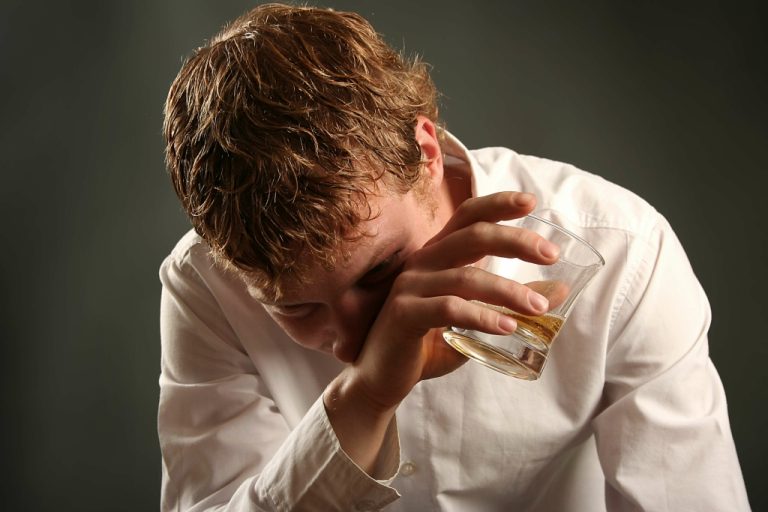
What are some signs that alcohol may be causing damage to my kidneys?
Chronic dehydration leads you marijuana addiction to a greater risk for these adverse effects. The symptoms and condition of a urinary tract infection may worsen after drinking alcohol. If you have a kidney infection, drink plenty of water and contact your doctor immediately.
These sources highlight that back pain after drinking can have multiple origins beyond direct kidney strain. Alcohol significantly influences the body’s fluid balance through its diuretic effect. It inhibits the release of antidiuretic hormone (ADH), which signals the kidneys to reabsorb water. Without sufficient ADH, the kidneys excrete more water, leading to increased urination and dehydration. This fluid loss means the kidneys work harder to filter waste from a more concentrated blood volume. It can be alarming to experience back pain in the morning after consuming alcohol, and this sensation often leads individuals to wonder if their kidneys are involved.
It is vital to keep an eye on your kidney function after drinking heavily, especially if you have any medical issues present, such as high/low blood pressure. Alcohol acts as a diuretic, meaning it increases the rate at which you excrete fluids. Specifically, alcohol inhibits the release of antidiuretic hormone (ADH), a hormone that helps the kidneys retain water. When ADH is suppressed, your body produces more urine than usual, increasing the likelihood of dehydration. This excessive fluid loss can tax the kidneys, forcing them to work harder and impacting their ability to regulate blood volume and pressure.

Periods of binge drinking or severe dehydration can trigger acute kidney injury, a sudden decline in kidney function. AKI is often reversible if caught early and treated properly, but http://new.chelseawinter.co.nz.php74-39.phx1-1.websitetestlink.com/how-to-deal-with-a-narcissistic-alcoholic/ repeated injuries can add up to long-term damage. Heavy drinking might result in poor dietary choices or neglect of medications. In turn, unhealthy eating or missing prescriptions (especially for blood pressure or diabetes) can damage your kidneys indirectly.
Is Alcohol Causing My Back Pain?
Some report relief through the use of antacids, and in severe cases, your doctor may prescribe medication to reduce the build-up of acid which irritates your stomach lining. There are does drinking alcohol affect your kidneys all kinds of fancy drinks that promise to hydrate you up to 500% more efficiently, but you really cannot go wrong with water. Your kidneys are two bean-shaped organs on either side of your backbone, just below your rib cage. Immediate consultation with a doctor is crucial if you notice sharp pain under the rib, indicating potential kidney problems.
When diabetes coexists with chronic alcohol use, the compounded effects significantly heighten the risk of kidney disease. The liver metabolizes alcohol, and excessive drinking can strain this vital organ. Strain on the liver can lead to liver disease, which in turn may cause referred pain in the lower back. Similarly, kidney function can be impaired by heavy alcohol consumption, sometimes causing kidney pain that is mistaken for lower back pain. If you already suffer from degenerative disc disease, alcohol may worsen the pain.
